

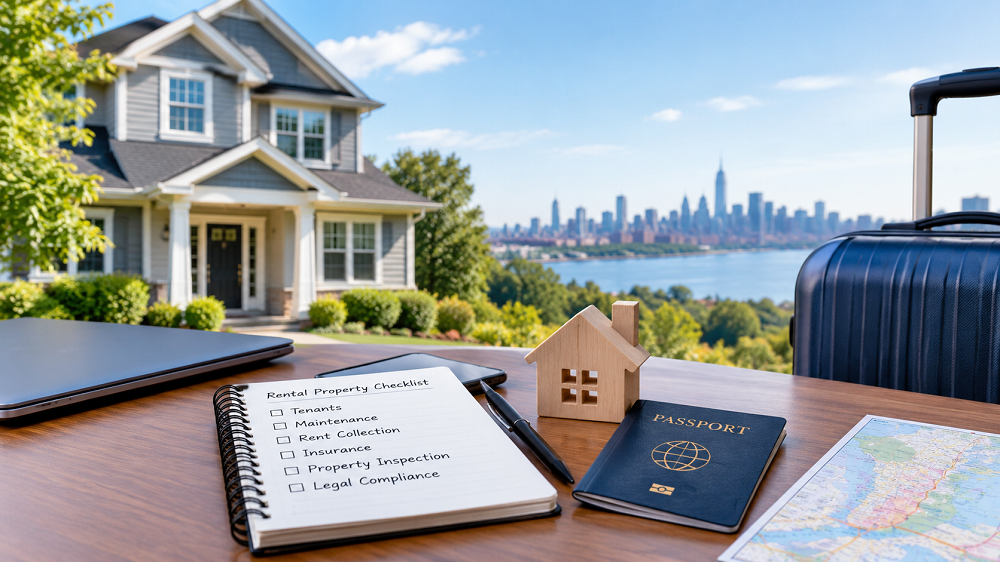

Moving to another state can be an exciting step toward a new job, a different lifestyle, or a fresh start. But if you own a rental property, relocating raises an important question: What happens to your investment when you can no longer manage it in person?
Many property owners choose to keep their homes as rental investments rather than sell them when they move. A property that once served as your primary residence may continue generating rental income, but managing it from a distance requires careful planning, reliable local support, and a clear understanding of your responsibilities as a landlord.
For owners with rental properties in New York, New Jersey, Connecticut, and surrounding areas, understanding how to manage a property remotely can help protect the investment while making the transition to a new location easier.
Can You Keep Your Rental Property After Moving to Another State?
Yes. In many situations, you can continue owning and renting out a property even after establishing your home in another state.
Your relocation does not automatically end an existing lease or remove your responsibilities as a property owner. You will still need to manage rental income, respond to tenant concerns, arrange necessary repairs, and comply with the laws that apply to the property.
Before moving, consider whether keeping the property makes financial sense. Compare the expected rental income with your mortgage payments, property taxes, insurance, maintenance costs, and other expenses.
You should also consider how long you intend to keep the property and whether you have the time and resources to oversee it remotely.
For some owners, retaining the property can support long-term investment goals. Others may decide that selling is more appropriate for their financial circumstances. Reviewing the numbers before relocating can help you make an informed decision.
1. Your Rental Property Still Needs Local Attention
One of the biggest challenges of owning a rental property from another state is handling issues that require someone to be physically present.
A tenant might report a plumbing problem, a heating system could stop working during cold weather, or a property may need attention after a storm. These situations can be difficult to coordinate when you live several hours away.
Even routine responsibilities can become complicated. Meeting prospective tenants, arranging access for contractors, checking the property’s condition, and coordinating inspections may require local assistance.
Before moving, establish a reliable process for handling property-related requests. Identify qualified service providers, organize important property documents, and determine who will respond when something needs immediate attention.
Having a dependable local contact can make remote ownership more manageable and help prevent minor problems from becoming larger concerns.
2. Decide Whether to Self-Manage or Hire a Property Manager
Property owners generally have two main options when relocating: continue managing the rental themselves or appoint a professional property management company.
Self-management may be suitable for owners who have sufficient time, established local contacts, and systems for handling tenant communication and maintenance. However, managing everything remotely can become demanding, particularly when unexpected issues arise.
A property management company can help coordinate day-to-day responsibilities, depending on the services included in the management agreement.
These services may include:
- Communicating with tenants and responding to routine concerns.
- Coordinating repairs and maintenance appointments.
- Managing rent collection and payment records.
- Arranging property inspections.
- Assisting with rental marketing and tenant applications.
- Providing updates about property-related matters.
Before hiring a manager, ask which services are included, how emergency requests are handled, how expenses are approved, and how often financial reports are provided.
The right arrangement depends on your property’s needs, your budget, and how involved you want to remain in daily operations.
3. Understand the Rental Laws Where Your Property Is Located
Moving across state lines does not mean you can follow only the rental laws of your new home state.
In general, the rules governing a rental property depend on the jurisdiction where the property is located. Depending on the location, requirements may cover lease agreements, security deposits, property registration, habitability, tenant notices, inspections, and landlord contact information.
For example, an owner who moves from New York to another state must still pay attention to the requirements applicable to their New York rental property.
The same principle applies to rental properties in New Jersey and Connecticut, where state and local requirements may differ.
Before relocating, review the rules that apply to your specific property. Determine whether you need to update any registration details, provide a designated contact, or complete other required paperwork.
Because requirements vary by municipality and property type, consult official local resources or a qualified professional when you are unsure about your obligations.
4. Plan for Rental Income, Expenses, and Taxes
When you move away from your rental property, managing its finances becomes even more important.
You may need to coordinate rent payments, mortgage payments, insurance premiums, property taxes, utility expenses, contractor invoices, and other operating costs without visiting the property regularly.
Create a system for recording income and expenses and reviewing your property’s financial performance. Keep copies of invoices, leases, maintenance records, and other relevant documents in an organized digital format.
You should also consider the tax implications of owning rental property in a state where you no longer reside.
Depending on your circumstances, you may have federal and state tax filing obligations related to rental income. Your new state of residence may also have rules that affect your overall tax situation.
Consult a qualified tax professional to understand your obligations before making assumptions about how your relocation will affect your rental income.
5. Make a Plan for Repairs and Property Emergencies
Unexpected repairs are part of owning rental real estate. When you live nearby, you may be able to inspect a problem yourself or meet a contractor on short notice. From another state, coordinating the same work can take more time and effort.
Prepare for these situations before moving.
Start by identifying reliable plumbers, electricians, HVAC technicians, and other service providers who work in the property’s area. Keep their contact details accessible and maintain a reserve for unexpected repairs.
If you work with a property manager, establish clear guidelines for maintenance approvals. For example, you can agree on a spending limit for routine repairs and specify which situations require your approval.
Make sure the person coordinating repairs understands how to communicate with tenants and document completed work.
A clear maintenance process helps you respond more efficiently without needing to travel every time an issue occurs.
6. Keep Communication With Tenants Consistent
Tenants still need a reliable way to report maintenance issues, ask questions, and receive important updates, even when their landlord lives elsewhere.
Without an organized communication process, small concerns can turn into larger problems if messages are missed or responses are delayed.
Establish a clear method for tenants to contact you or your designated property manager. Make sure they know how to report routine maintenance requests and what to do in an emergency.
You should also maintain accurate records of tenant communications, repair requests, lease documents, and relevant notices.
If a property manager handles tenant communication, clarify when you will receive updates and which matters should be escalated to you.
Consistent communication can help maintain a positive rental relationship and make remote ownership easier to oversee.
7. Protect the Property While You Are Away
When you no longer live near your rental property, it can be harder to notice maintenance problems or changes in its condition.
Regular property checks can help identify issues such as leaks, exterior damage, neglected common areas, or maintenance concerns that need attention.
The inspection schedule will depend on the property’s condition, occupancy, lease terms, and applicable laws. Any inspection must follow the required notice and access rules.
You should also review your insurance coverage to make sure it remains appropriate for the property’s use as a rental. If you are converting your former residence into a rental, contact your insurer before the change in occupancy.
Keep important information, including insurance documents, emergency contacts, appliance details, and contractor records, readily available.
Taking these steps can help you stay informed about the property’s condition without needing to visit frequently.
8. Prepare Your Property Before You Relocate
The easiest time to organize remote property management is before you move.
Start by reviewing your current lease, outstanding maintenance requests, upcoming renewal dates, and any repairs that need to be completed.
Then create a handover checklist that includes:
- Current lease agreements and tenant contact details.
- Rent collection arrangements and financial records.
- Maintenance history and outstanding repair work.
- Insurance information and emergency contacts.
- Utility accounts and service provider details.
- Applicable registration and compliance documents.
- Instructions for urgent repairs and expense approvals.
If you plan to hire a property manager, review the management agreement carefully and confirm how records, payments, maintenance requests, and tenant communication will be handled.
Completing these preparations before relocating can reduce uncertainty and make the transition smoother for both you and your tenants.
Is Professional Property Management Worth It When You Live Out of State?
The answer depends on how much time you have, how far away you live, the property’s condition, and your comfort level with managing rental responsibilities remotely.
Some owners can successfully manage a rental property themselves using digital tools and trusted local contractors. Others prefer professional support because they cannot easily attend inspections, coordinate repairs, or respond to tenant concerns in person.
A property management company may be particularly useful when you own multiple properties, have a demanding work schedule, or live too far away to handle urgent issues conveniently.
When comparing providers, look beyond the management fee. Ask about communication practices, maintenance coordination, financial reporting, tenant screening, lease administration, and the scope of services included.
The goal is to choose an arrangement that supports your investment while giving you appropriate visibility and control over important decisions.
Manage Your Rental Property With Greater Confidence
Moving out of state does not necessarily mean giving up a rental property or selling an investment you want to keep. With the right preparation, financial planning, and local support, you can continue owning rental real estate while living somewhere else.
The key is to plan ahead, understand your ongoing landlord responsibilities, establish reliable maintenance and communication systems, and choose a management approach that fits your needs.
If you own rental property in New York, New Jersey, Connecticut, or the surrounding service areas, Tri-State Rental Properties can help you explore professional property management options for your investment.
Planning a move and wondering how to manage your rental property from a distance?
Visit Tri-State Rental Properties to learn more about available property management services and discuss your property’s needs.