

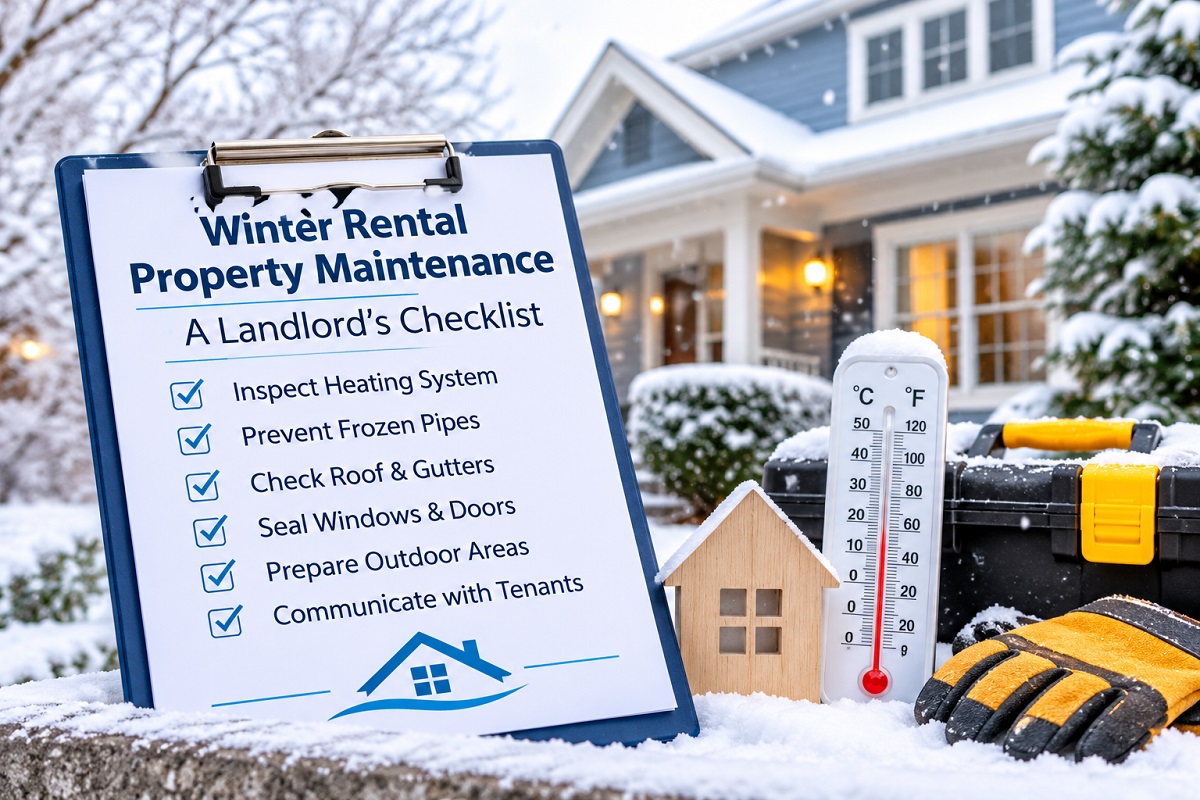

Winter Rental Property Maintenance: A Landlord’s Checklist to Protect Your Investment
As temperatures drop across New York, New Jersey, Connecticut and Pennsylvania, rental property owners need to prepare their properties for the colder months. Winter weather can create unexpected maintenance problems, from frozen pipes and heating failures to roof leaks and property damage. Taking preventive steps before the cold weather arrives can help landlords avoid costly repairs, protect their investments and keep tenants comfortable throughout the winter.
At Tri-State Rental Properties, we understand that proactive maintenance is one of the most important aspects of successful rental property management. A well-prepared property can reduce emergency repairs, improve tenant satisfaction and help preserve long-term property value.
1. Inspect and Maintain the Heating System
Heating systems are essential during the winter months. Before temperatures begin to drop significantly, landlords should schedule a professional inspection of furnaces, boilers and other heating equipment.
Routine heating maintenance can help identify potential problems before they become emergencies. Property owners should ensure heating systems are functioning properly, replace filters where applicable, and verify that thermostats and heating controls are operating correctly.
Reliable heating not only keeps tenants comfortable but also helps reduce the risk of frozen pipes and other cold-weather damage.
2. Prevent Frozen Pipes
Frozen pipes are among the most expensive winter maintenance problems rental property owners can face. When water freezes inside a pipe, it can expand and cause the pipe to crack or burst, potentially resulting in significant water damage.
Landlords should consider the following preventive measures:
- Insulate exposed pipes in basements, crawl spaces and other vulnerable areas.
- Seal gaps around doors, windows and exterior walls where cold air can enter.
- Keep areas containing plumbing adequately heated.
- Remind tenants to report unusual drops in water pressure or signs of freezing.
- Know where the property’s main water shutoff valve is located.
Taking these steps before extreme temperatures arrive can help reduce the likelihood of costly plumbing emergencies.
3. Check Roofs, Gutters and Drainage
Snow, ice and winter storms can put additional stress on roofs and drainage systems. Leaves and debris in gutters can prevent proper drainage, increasing the risk of ice buildup and water infiltration.
A seasonal inspection should include checking for loose or damaged shingles, clearing gutters and downspouts, inspecting flashing around chimneys and vents, and ensuring water drains away from the building’s foundation.
Addressing these issues early can help prevent leaks and structural damage during winter storms.
4. Seal Windows and Doors
Drafty windows and doors can increase heating costs and make rental units uncomfortable. Inspect weatherstripping, window seals and door frames to identify areas where cold air may enter.
Adding or replacing weatherstripping, sealing minor gaps and repairing damaged windows can improve energy efficiency and reduce unnecessary heating expenses.
These improvements can also help create a more comfortable living environment for tenants throughout the colder months.
5. Prepare Common Areas and Outdoor Spaces
For multi-family properties, winter maintenance also involves preparing shared spaces. Landlords and property managers should ensure walkways, entrances, parking areas and stairways are ready for snow and ice.
Winter preparation may include arranging snow removal services, keeping salt or ice-melting materials available, inspecting outdoor lighting and checking handrails and stairs.
Maintaining safe common areas helps reduce potential hazards and supports a better experience for residents.
6. Communicate Winter Maintenance Expectations to Tenants
Tenant communication plays an important role in preventing winter-related property damage. Residents should know how to report maintenance issues, what to do during a heating emergency and how to help protect plumbing during freezing weather.
Providing clear winter maintenance instructions can help tenants understand their responsibilities while allowing property managers to respond quickly when problems arise.
Prompt communication and timely maintenance are essential for maintaining positive landlord-tenant relationships.
7. Work With a Professional Property Management Company
Managing rental properties during winter can be challenging, especially for landlords who own multiple properties or live far away from their investments. Coordinating repairs, responding to emergencies, communicating with tenants and arranging snow removal can quickly become overwhelming.
Professional property management can help simplify these responsibilities. From routine inspections and maintenance coordination to tenant communication and emergency response, experienced property managers help property owners manage the day-to-day responsibilities of rental ownership.
Protect Your Rental Property This Winter
Winter preparation is an investment in the long-term health of your rental property. Preventive maintenance, timely inspections and effective tenant communication can help reduce unexpected expenses and protect your property’s value.
At Tri-State Rental Properties, we provide professional property management services throughout New York, New Jersey, Connecticut and Pennsylvania. Our team helps property owners manage maintenance, tenants, rent collection and day-to-day operations so they can spend less time worrying about their properties.
Looking for reliable property management services? Contact Tri-State Rental Properties today to learn how we can help protect and manage your rental investment.